
South America Bearing Wholesaler Complete Guide: How to Find Reliable Industrial Bearing Suppliers in 2026
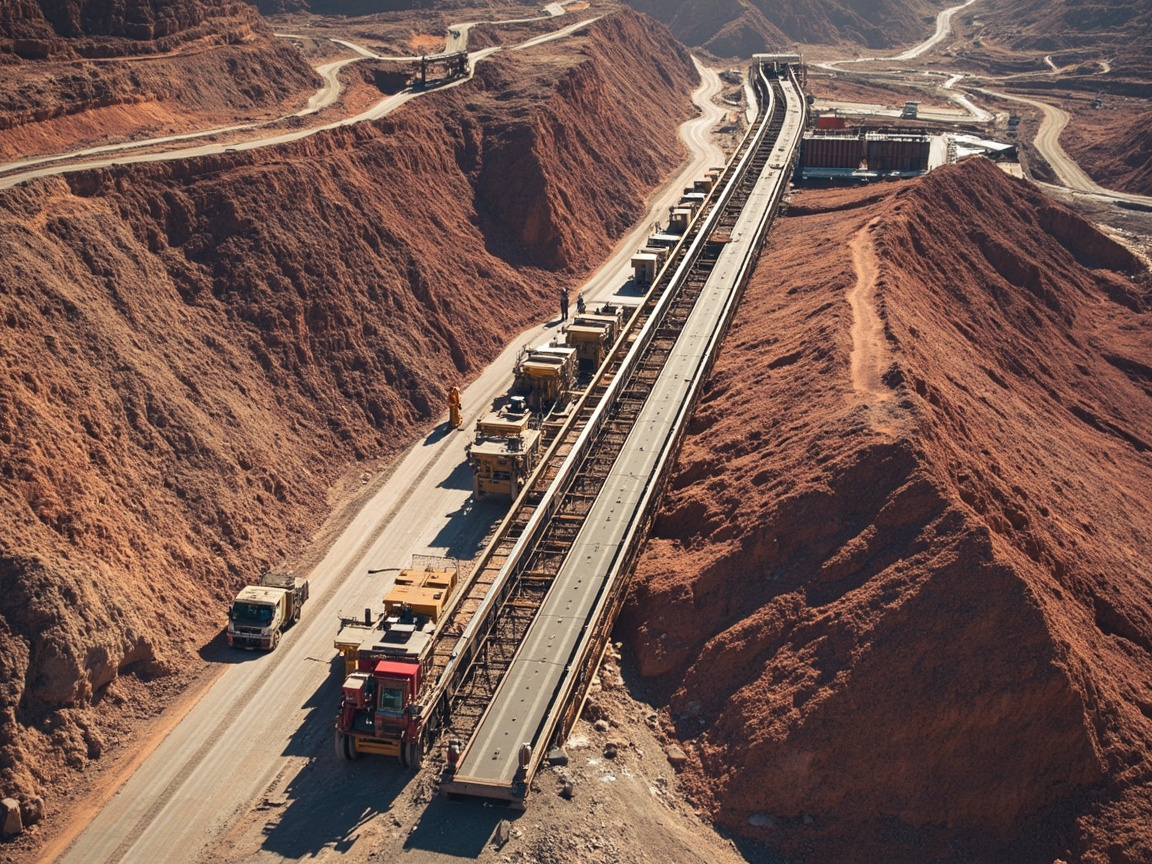
Finding reliable bearing wholesalers for South America is crucial for mining operations, manufacturing plants, and industrial equipment distributors across Brazil, Chile, Peru, and surrounding regions. With the region’s mining sector consuming thousands of industrial bearings annually — from heavy-duty spherical roller bearings for copper mines in Chile to high-speed precision bearings for Brazilian manufacturing plants — sourcing from the right wholesale partner determines both equipment uptime and procurement costs.
This guide covers everything global buyers need to know about sourcing industrial bearings from international wholesale suppliers in 2026, with a special focus on Chinese manufacturers who offer the best combination of quality, price, and export logistics for South American markets.
Why Source Bearings from Chinese Wholesalers?
China has become one of the world’s largest industrial bearing manufacturing and export hubs. For South American buyers, Chinese bearing wholesalers offer distinct advantages:
- Price competitiveness: Chinese bearings typically cost 20-40% less than equivalent European brands while meeting the same international standards (ISO, ABEC, AFBMA)
- Complete product range: From miniature instrument bearings (2mm bore) to extra-large industrial bearings (over 1000mm OD), Chinese manufacturers cover the full spectrum
- Custom manufacturing capability: Special dimensions, materials, and specifications can be produced to order
- Mature export experience: Leading Chinese exporters are deeply familiar with South American market requirements — INMETRO certification for Brazil, SRL compliance for Peru, and Chilean customs documentation
- Established logistics networks: Regular shipping routes to Santos, Callao, Antofagasta, and Cartagena ports with consolidated container loads that reduce per-unit shipping costs
Key Criteria for Choosing a South America Bearing Wholesaler
1. Quality Certifications
Verify your supplier holds the following certifications before placing orders:
- ISO 9001 quality management system
- ABEC precision grade certification (for high-speed applications)
- Market-specific certifications: INMETRO (Brazil), SRL markings (Peru), IRAM (Argentina)
- Mill test certificates and material traceability reports
For a deeper dive into bearing quality standards, read our Industrial Bearing Quality Inspection: 6 Essential Testing Methods guide.
2. Manufacturing Capacity
Assess whether the supplier can meet your volume and specialization needs:
- Stock availability for standard bearings (6200, 6300, 7200 series)
- Custom and special-specification production capability
- Sample lead times and prototyping services
- Annual production capacity and current utilization rate
3. Export and Logistics Capability
A supplier’s export competence is as important as product quality for South American buyers:
- Familiarity with South American customs procedures and documentation
- Experience handling complex export paperwork (certificates of origin, Bills of Lading, commercial invoices)
- Logistics partnerships covering major South American ports: Santos (Brazil), Callao (Peru), Antofagasta (Chile), Buenos Aires (Argentina)
- Ability to consolidate LCL shipments to reduce costs for smaller orders
Major Bearing Applications in South America
Mining Sector: Chile, Peru, and Brazil
Chile’s copper mines, Peru’s gold operations, and Brazil’s iron ore sector are the region’s largest bearing consumers. These applications demand specific bearing types:
- Heavy-duty spherical roller bearings: For conveyors, crushers, and ore processing equipment in high-load, high-contamination environments. See our Spherical Roller Bearings Selection Guide for detailed specifications.
- Ceramic hybrid bearings: For high-speed grinding mills where temperature management is critical. Learn more about ceramic hybrid bearings and their advantages in mining applications.
- Sealed spherical roller bearings: For vibrating screens and equipment exposed to heavy particulate matter
- Thrust roller bearings: For gearboxes and drive systems in heavy machinery
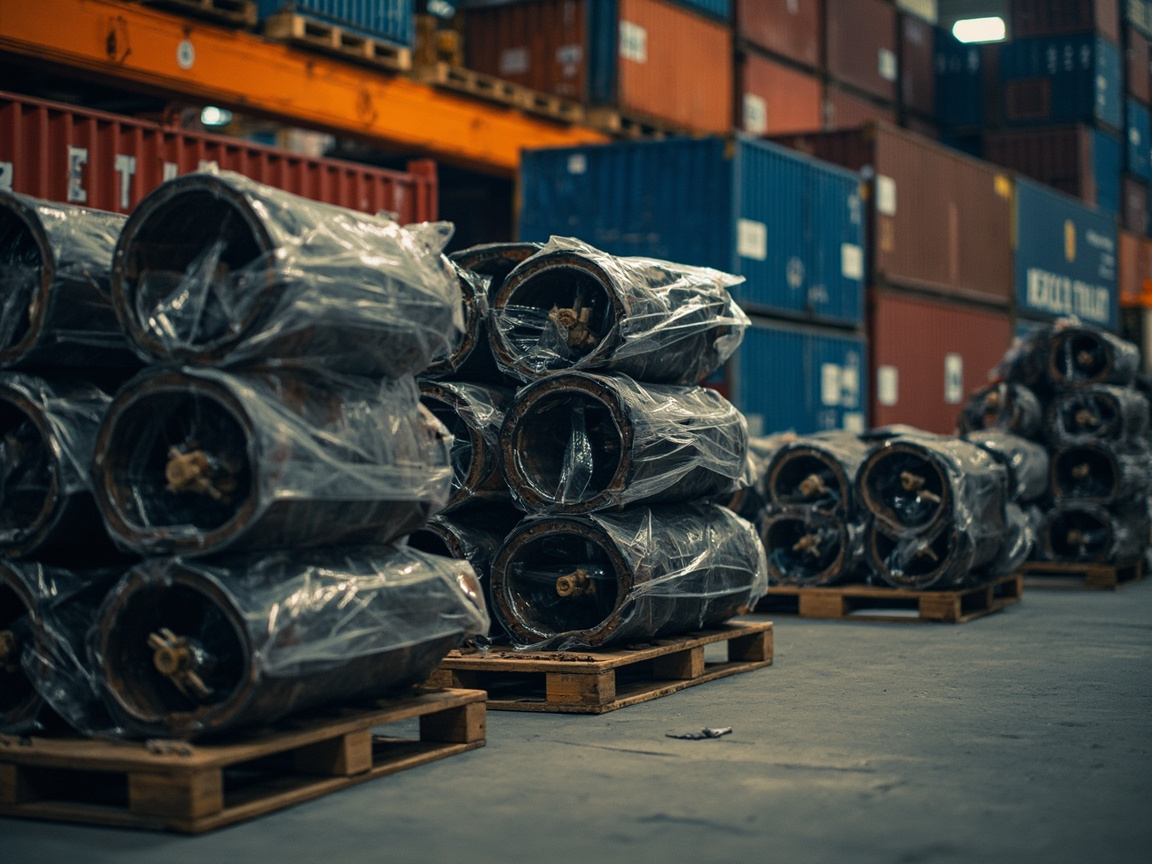
For detailed mining-specific bearing requirements, see our South America Mining Bearings Sourcing Guide covering Chile, Peru, and Brazil in depth.
Manufacturing and Industrial Equipment
Manufacturing plants across South America require a wide variety of bearing types:
- Deep groove ball bearings: General-purpose machinery, electric motors, and agricultural equipment. Sealed deep groove ball bearings offer maintenance-free solutions for harsh environments.
- Tapered roller bearings: Gearboxes, wheel hubs, and heavy machinery where combined radial and axial loads occur
- Linear bearings: Automated equipment, CNC machinery, and packaging lines
- Pillow block bearings: Conveyor systems and processing equipment in food, textile, and materials handling industries
Agricultural Equipment
Agricultural machinery dealers and farm equipment operators need durable, easy-to-replace bearing solutions. Tractor bearings, combine harvester bearings, and irrigation system bearings represent significant volume for South American distributors.
Key Price Factors for Industrial Bearings
Understanding bearing pricing helps buyers negotiate better terms and avoid overpaying:
| Factor | Impact on Price |
|---|---|
| Bearing type and series | Specialized bearings (thrust, spherical) cost significantly more than standard deep groove |
| Precision grade (ABEC) | ABEC 7/9 precision bearings cost 30-50% more than standard ABEC 1 |
| Material composition | Ceramic hybrid bearings cost 2-5x more than all-steel equivalents |
| Order volume | Large orders typically receive 8-15% volume discounts |
| Certification requirements | Special market certifications (INMETRO, SRL) add documentation and testing costs |
| Lead time | Express production (under 2 weeks) carries a premium of 10-20% |
Step-by-Step Procurement Process
Step 1: Define Your Requirements
- Identify exact bearing types, dimensions, and specifications
- Determine required quantities and delivery schedule
- Clarify target market certifications and compliance requirements
- Establish quality standards acceptable for your end customers
For help reading bearing specification codes, see our technical guide to reading bearing numbers and codes.
Step 2: Supplier Screening and Verification
- Request company profiles, factory tours (in-person or video), and capacity documentation
- Verify production capabilities with sample orders before committing to volume
- Check references from existing South American buyers
- Evaluate communication responsiveness and technical competence
For a comprehensive supplier verification checklist, review our guide to B2B sourcing strategies for finding reliable suppliers in 2026.
Step 3: Commercial Negotiation
- Request detailed quotations with full specification breakdowns
- Negotiate payment terms (T/T, L/C for larger orders, PayPal for samples)
- Confirm quality warranty terms and defect resolution procedures
- Discuss volume discount tiers and long-term partnership pricing
Step 4: Order Placement and International Logistics
- Confirm all order details in writing with full specifications
- Arrange international shipping (FCL for large orders, LCL consolidation for smaller shipments)
- Track shipment status and coordinate customs clearance with your import broker
- Verify incoming quality inspection upon delivery
To minimize bearing failures during storage and transit, review our Industrial Bearing Maintenance Best Practices guide.
Frequently Asked Questions
What is the minimum order quantity for Chinese bearing wholesalers?
Most Chinese bearing wholesalers have minimum order quantities (MOQs) ranging from 100-500 pieces depending on the bearing type and whether the item is in stock or requires custom production. Standard series like 6200 and 6300 deep groove ball bearings typically have lower MOQs, while specialized bearings may require larger minimum orders.
How long does delivery to South America take?
Standard bearing orders typically ship within 2-4 weeks from order confirmation. Custom or special-specification bearings may require 6-8 weeks for production. Sea freight from Chinese ports to South American destinations (Santos, Callao, Antofagasta) generally takes 25-35 days. Plan total lead time of 6-10 weeks for new orders.
How do I verify bearing quality from a Chinese supplier?
Request material certificates, quality inspection reports, and dimensional verification data for each batch. Always order samples before volume commitments. Third-party inspection agencies (SGS, Bureau Veritas) can conduct pre-shipment inspections for a fee typically ranging from $200-500 per factory visit. For a detailed breakdown of what to check, see our bearing quality inspection methods.
What payment methods do Chinese bearing exporters accept?
Standard payment terms include T/T (Telegraphic Transfer) for orders over $1,000, L/C (Letter of Credit) for larger orders requiring documentary security, and PayPal or Western Union for sample orders under $500. Many exporters offer 30-day credit terms for established customers with verified trade history.
Which South American markets have the highest bearing demand?
Brazil accounts for approximately 45% of South America’s industrial bearing demand, driven by its mining, oil & gas, and manufacturing sectors. Chile represents 20% of demand primarily from copper mining. Peru accounts for 15% from gold and copper mining operations. The remaining 20% is distributed across Argentina, Colombia, and Ecuador.
What are the most common causes of bearing failure in mining applications?
Mining applications commonly experience bearing failures due to contamination ingress, improper lubrication, and overload conditions. Understanding the top 5 bearing failure causes and prevention strategies can significantly reduce unplanned downtime in South American mining operations.
Conclusion
Selecting the right South America bearing wholesaler requires careful evaluation of quality certifications, manufacturing capacity, export logistics expertise, and total cost of ownership — not just unit price. Chinese bearing wholesalers who understand South American market requirements, maintain proper certifications, and have proven logistics networks to ports like Santos, Callao, and Antofagasta represent the strongest sourcing option for industrial buyers in 2026.
By following this guide’s procurement framework, you can identify reliable partners, negotiate from a position of knowledge, and avoid the common pitfalls that trip up buyers new to international bearing sourcing.
Ready to source industrial bearings for your South American operation? Contact our export team for detailed quotations, supplier verification support, and logistics coordination. We specialize in helping mining, manufacturing, and agricultural equipment buyers source the right bearings at competitive prices.
WhatsApp: +86-18698853189
Email: [email protected]